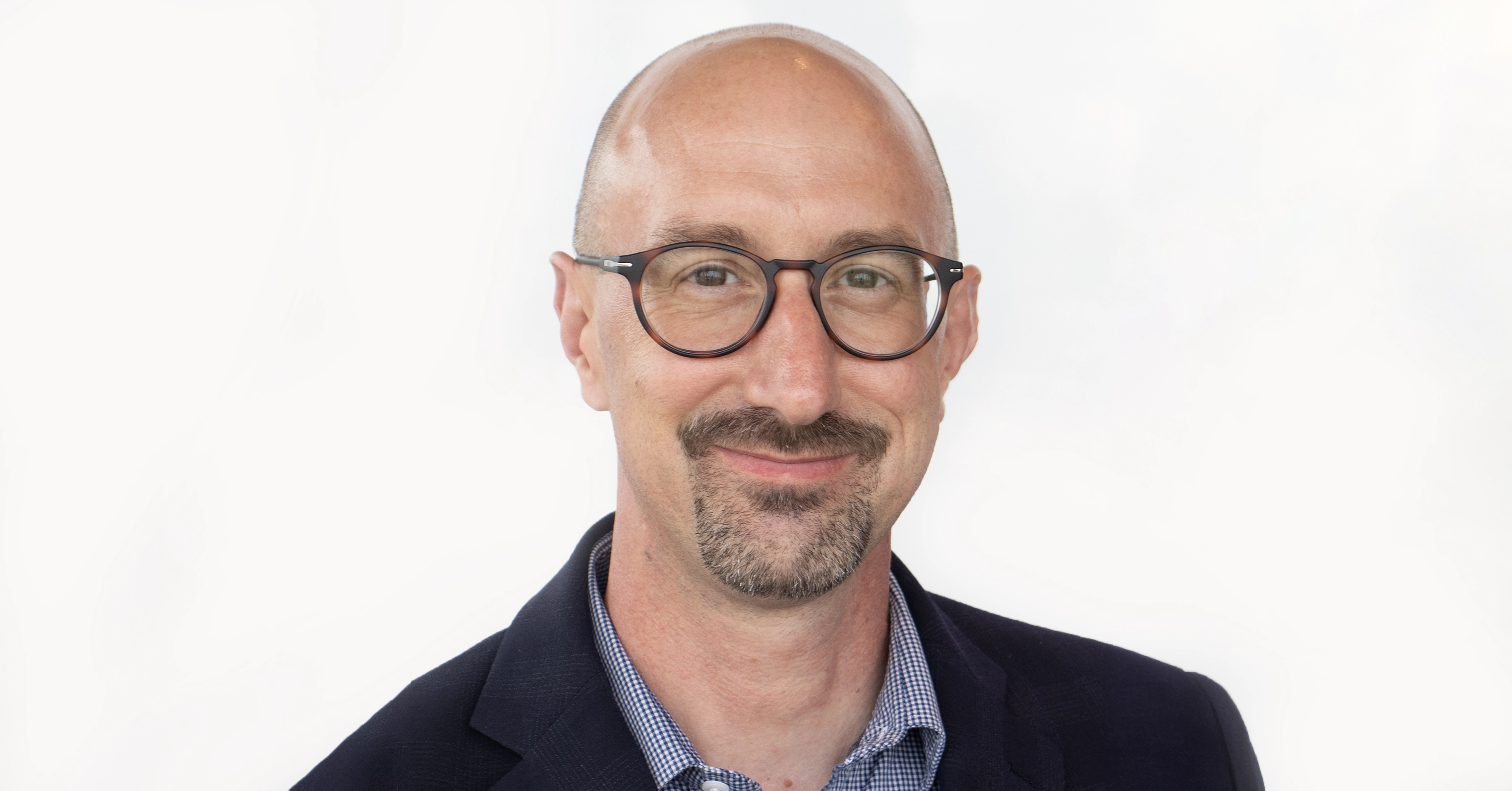
100社以上のバイオテック・スタートアップの資金調達・オペレーション・戦略構築に携わってきたダン・ゴダード氏が、投資家やパートナーを惹きつけるストーリーテリングの重要性や、ネットワークを活用した市場参入のポイントを自身の経験を交えて紹介する。
自己紹介をお願いします。
私はスタートアップのアドバイザー兼コーチとして、18年以上にわたり、初期段階のバイオテック企業が成長し、スケールアップする支援をしてきました。私の主な役割は、企業が適切な投資家や戦略的パートナー、リソースとつながる手助けをしながら、成長の複雑さを乗り越えるための実践的なアドバイスを提供することです。
これまでに100社以上のスタートアップと協働し、資金調達、オペレーション、戦略的指導を専門とし、企業が成功するための基盤とネットワークを確立できるよう支援してきました。ベンチャーキャピタル、インキュベーター、学術機関と協力し、バイオテック・エコシステム全体に橋を架けることで、イノベーションの加速を図っています。
私にとって、ライフサイエンスに携わる第一の理由は「患者のため」です。企業を支援すること、画期的な技術を前進させること、そのすべてが最終的には、必要としている人々に革新的な治療を届けることに繋がります
Please introduce yourself.
I’m a startup advisor and coach with 18+ years of experience helping early-stage biotech companies scale and grow. My focus is on connecting companies with the right investors, strategic partners, and resources while providing hands-on advising to navigate the complexities of growth.
Having worked with 100+ startups, I specialize in fundraising, operations, and strategic guidance, ensuring companies have the foundation and network they need to thrive. I collaborate with VCs, incubators, and academic institutions, building bridges across the biotech ecosystem to accelerate innovation.
For me, patients are the sole reason for working in life sciences—every connection made, every company supported, and every breakthrough advanced is ultimately about bringing life-changing treatments to the people who need them most.
数多くの企業をアドバイスしてこられましたが、米国市場に参入する際にスタートアップが最も陥りやすい落とし穴は何でしょうか?また、それを回避する方法は?
未承認の治療薬を開発し、米国市場に参入しようとしているライフサイエンス系スタートアップにとって、最大の落とし穴は、規制の誤解、マーケットアクセスの課題、早期のステークホルダーエンゲージメントの不足に起因することが多いです。
-
規制に関する誤解
多くの企業は、他国での臨床試験の成功がそのままFDA(米国食品医薬品局)での承認に繋がると誤解しています。しかし、米国の規制環境は独自性が高く、試験デザインや評価項目、製造プロセスのわずかな違いが予期せぬ遅延を引き起こすことがあります。FDAとの早期の対話(Pre-INDミーティングやBreakthrough Therapy Designationの申請など)を行うことで、高額なミスを防ぐことができます。 -
マーケットアクセスについて考え始めるタイミング
多くの企業は規制承認を取得することに集中しがちですが、実際には保険償還(リインバースメント)こそが市場参入の本当の関門です。支払機関の期待、経済的評価データの要件、競争環境を事前に理解しておくことで、商業化の苦戦を回避できます。 -
米国パートナーとのエンゲージメント不足
単に優れた治療法を持っているだけでは成功できません。KOL(キーオピニオンリーダー)との連携、患者団体との協力、流通パートナーの確保など、米国市場でのエコシステムを構築することが不可欠です。
成功の鍵は、規制・市場アクセスの計画を早期に開始し、米国のステークホルダーと連携しながら、商業的な基盤を事前に築くことです。単に資金を支払って関係者にアクセスするのではなく、米国のプレイヤーが信頼できる関係を築けるようにすることが重要です。具体的には、自社がどれほどエコシステムに貢献できるのかを示し、信頼を得ることが求められます。
Having advised numerous companies, what are the most common pitfalls you’ve seen startups encounter when entering the US market, and how can they be avoided?
For life sciences startups developing pre-approved therapeutics and looking to enter the U.S. market, the biggest pitfalls often stem from misjudging regulatory pathways, market access hurdles, and the need for early stakeholder engagement.
-
Pitfall in navigating regulatory A common mistake is assuming that a product’s clinical success elsewhere will translate smoothly into FDA approval. The U.S. regulatory landscape is unique, and even slight differences in trial design, endpoints, or manufacturing processes can create unexpected delays. Engaging the FDA early—through mechanisms like pre-IND meetings or Breakthrough Therapy Designation—can prevent costly missteps.
-
Timing to start thinking about market access Market access is often an afterthought, but it should be front and center from day one. Too many companies focus solely on regulatory approval, only to realize later that reimbursement is the real gatekeeper to adoption. Understanding payer expectations, health economic data requirements, and competitive positioning well before approval can save years of commercial struggle.
-
Lack of U.S. based partnerships
Many startups underestimate the importance of U.S.-based partnerships and presence. Whether it’s forming alliances with key opinion leaders, engaging with patient advocacy groups, or securing the right distribution partners, success in the U.S. isn’t just about having a great therapeutic—it’s about having the right ecosystem around it.
The takeaway is to start regulatory and market access planning early, align with U.S. stakeholders, and not wait until approval to build the commercial foundation. Finding the right support group is crucial in this process. While paying someone to gain access might seem straightforward, it often put you in a vulnerable position. To truly win support, you need to understand that players in the U.S. look at how much trust you’ve built, how you’re mobilizing resources to helping people in the ecosystem, and how visible your efforts are. In other words, can people imagine how you might be able to help them or their community?
科学のバックグラウンドを持たないあなたが、米国のバイオテック業界で成功裏にナビゲートする上で得た洞察とは?
バイオテック業界において、単に科学的に優れた技術を持つだけでは不十分です。成功には戦略、資本、実行力が求められます。そして、それらを独自の視点で結びつけることができれば、大きな価値を生み出せます。
-
「ストーリー」が重要
単に技術やデータを語るのではなく、「なぜこの治療法が必要なのか」「なぜ今なのか」「なぜ市場で受け入れられるのか」というストーリーを明確に示すことが、投資家や規制当局、パートナーにとって非常に重要です。 -
人脈がすべて
特にボストンでは、科学者、投資家、臨床医、業界関係者が密接に繋がっています。適切な会議に参加し、多くの人と対話し、企業の成長に貢献した経験を持つアドバイザーと連携することが成功の鍵です。 -
資金調達は「アート」
投資家は優れたデータだけでなく、実行可能なチームを求めています。適切な人材を適切なタイミングで採用し、戦略的にディールを組み立てる能力が求められます。
米国のバイオテック業界では、科学的な厳密さとビジネス的な視点を兼ね備えた人材が求められています。適切な人脈を築きながら、迅速かつ戦略的に動くことが成功への近道です。
With your non-traditional background and unique perspective, what insights can you share about successfully navigating the US biotech ecosystem?
Coming into biotech from a non-traditional background has been an advantage more than a barrier. The U.S. biotech ecosystem isn’t just about science—it’s about strategy, capital, and execution. And if you can connect those dots in a unique way, you can create real value.
-
Importance of storytelling One of the biggest insights I’ve gained is that success in this space isn’t just about having a great therapeutic candidate—it’s about having the right narrative. Investors, regulators, and potential partners all need to see the full vision, not just the science. You need to articulate how your therapeutic fits into the current standard of care, how it improves outcomes, and why it’s commercially viable.
-
Relationships drive everything. Boston, in particular, is an ecosystem built on networks—scientists, investors, clinicians, and industry veterans who all talk to each other. The best advice I can give is to embed yourself in that community early. Attend the right conferences, speak to as many people as you can, and be sure to connect with advisors who’ve taken companies through the full journey from preclinical to commercialization.
-
Fundraising is an art. Investors may ask for strong data, but they want to see more than that; they want to see a team that can execute. The right team knows when to bring in experienced operators, how to structure deals creatively, and when to push versus pivot.
The U.S. biotech landscape rewards those who move fast but strategically. If you can blend scientific rigor with a business mindset and surround yourself with the right people, you can go from idea to impact much faster than you think.
成功するバイオテック・スタートアップは、米国のオーディエンス向けにどのようにストーリーを作り上げているのでしょうか?
米国で成功するバイオテック・スタートアップは、単に科学的な優位性を語るのではなく、「インパクト」「緊急性」「実行力」を伝えるストーリーを構築しています。
投資家や潜在的なパートナーと感情的かつ戦略的に共鳴する物語を作ることが重要です。
最も説得力のあるストーリーには、共通する3つの要素があります。
- 「Why」から始める
優れたバイオテック・ストーリーは、作用機序(Mechanism of Action)から始まるのではなく、「解決すべき問題」から始まります。
- なぜこの疾患には、いまだに適切な治療法がないのか?
- なぜこの未解決の課題が重要なのか?
この問いに対する答えを、患者のストーリー、画期的な発見、現行の標準治療のギャップなどを通じて、聴衆にとって個人的な問題として感じられるように伝えることが大切です。「この課題を解決しなければならない」という緊急性を持たせることが成功の鍵となります。
- 競争優位性を示す
科学的なデータだけでは十分ではありません。 なぜ自社のアプローチが他社と違うのかを明確に示す必要があります。
- まったく新しい作用機序(First-in-Class)を持つ治療法なのか?
- 規制戦略を工夫することで、リスクを低減できるのか?
- 強力な知的財産(IP)を保有しているのか?
これらの要素を明確に打ち出すことで、「最終的に市場に到達するのは我々の会社だ 」という自信を示すことができます。
- 実行力への信頼を築く
投資家やパートナーが支援するのは、データそのものではなく「そのデータを活かせるチーム 」です。
そのため、以下のポイントを強調することが重要です。
- 経営陣の強み(業界経験、過去の成功実績)
- これまで達成したマイルストーン
- 規制戦略や市場参入戦略の具体的な道筋
前臨床段階なら、どのように開発リスクを低減するのかを示し、臨床試験段階なら、規制対応と市場アクセスの戦略を示すことが求められます。
最も効果的なピッチは、科学的な深みと商業的な実現可能性のバランスを取りながら、チームの強みを前面に出すことです。
結論として、バイオテックにおけるストーリーテリングは、誇張ではなく「明確さ・確信・信頼性」に基づくものです。
成功するスタートアップは、投資家やパートナーに「この会社こそが未来の医療を作る」と確信させるストーリーを持っています。
How do successful biotech startups craft their story for US audiences?
Successful biotech startups in the U.S. know that their story isn’t just about science— it’s about impact, urgency, and execution. You need to craft a narrative that resonates emotionally and strategically with investors and potential partners.
The most compelling stories all do three things well:
-
Start with the ‘Why’ The best biotech stories don’t start with mechanisms of action; they start with the problem. Why does this disease still lack a good solution? Why does this unmet need matter? Make it personal—whether it’s a patient story, a breakthrough insight, or a gap in the current standard of care, you need to make the audience feel the urgency of solving this problem.
-
Show the Competitive Edge Science alone isn’t enough; you have to show why your approach is different. Whether it’s a first-in-class mechanism, a de-risked regulatory path, or a strong IP position, you need to brand your company as the one that will cross the finish line.
-
Build Confidence in Execution Investors and partners back teams, not just data. Highlight the strength of your leadership, the milestones you’ve hit, and the clear path forward. If you’re preclinical, show how you’ll de-risk development. If you’re in trials, show your strategy for regulatory and market access. The best pitches balance scientific depth with commercial viability all while highlighting the team involved.
Ultimately, biotech storytelling isn’t about hype—it’s about clarity, conviction, and credibility. The startups that win are the ones that make investors and partners believe they’re looking at the future of medicine
スタートアップは、コミュニティネットワークや人脈をどのように活用して米国市場での地位を確立できるでしょうか?
ボストンのバイオテック業界では、「紹介(Warm Introduction)」が何よりも重要です。しかし、それと同じくらい重要なのが「Paying it forward(先に与える)」という姿勢です。バイオテックのエコシステムは人とのつながりによって成り立っており、最も効果的に自分の存在感を確立する方法は、助けを求めるだけでなく、自らも他者を支援することです。他者を助けること——それが投資家とのつながりを共有すること、キーオピニオンリーダー(KOL)を紹介すること、あるいは他の創業者に規制の課題についてアドバイスをすることであれ——は、一種の「通貨 」のようなものです。自ら価値を提供すればするほど、より多くの扉が開かれるのです。
意外と知られていない事実ですが、既に成功しているバイオテック企業の創業者は価値のある紹介を提供できる最も有力な候補のひとりです。投資家は、すでに投資している企業の創業者からの推薦を非常に重視します。そのため、自分より1〜2ステージ先を行く創業者との関係を築くことが、適切な投資家と出会うための最も効果的な方法のひとつです。創業者同士は互いに助け合い、次のような形でサポートを提供しています。
- 投資家の戦略や考え方に関する洞察を共有する
- 有望なVCや投資家への紹介を行う
- 社内で実際に決裁権を持っている人物を特定する
この仕組みが実際に機能した例を何度も見てきました。
あるスタートアップは、米国の投資家から全く関心を得られませんでしたが、ボストンのVCとつながりのある知人を通じて紹介を受けたことで、投資家とのミーティングが連鎖的に増え、最終的に資金調達を成功させました。また、別の企業は、ある規制対応の課題について知人をサポートしたことがきっかけで、その知人が重要な製薬企業のビジネス開発担当者を紹介してくれました。その結果、その企業は戦略的なパートナーシップを締結することができました。
ボストンでは、「何を知っているか」ではなく、「誰があなたを知っていて、信頼しているか」が成功を左右します。では、どうすればその信頼を築くことができるのでしょうか?答えはシンプルです。エコシステムの一員として積極的に活動し、他の創業者を支援すること。そして、自分より先を進んでいる人々から紹介を得ることです。それこそが、米国市場での成功に向けた最も確実な道となります。
How can startups leverage community networks and relationships to establish themselves in the US market? How has your diverse network helped companies you’ve advised?
In Boston, warm introductions are everything—but so is paying it forward. The biotech ecosystem here thrives on relationships, and the best way to establish yourself is by both asking for help and offering it. Helping others—whether it’s sharing an investor connection, making an introduction to a key opinion leader, or advising another founder on a regulatory challenge—is a form of currency. The more you give, the more doors open.
One of the best-kept secrets? Current biotech founders can be a great source of warm introductions. Investors rely heavily on referrals from founders they’ve already backed, so building relationships with other CEOs—especially those a stage or two ahead of you—can be one of the most effective ways to get in front of the right investors. Founders help each other in following ways;
- sharing insights on investor dynamics
- making intros to VCs
- giving real talk on who’s actually writing checks.
I’ve seen this play out time and time again. One startup I advised couldn’t get U.S. investor traction until we introduced them to a Boston-based VC through a mutual connection. That meeting led to others, and they closed a meaningful round. Another company landed a critical pharma partnership by first helping a contact with a regulatory challenge, which later turned into an introduction to the right business development lead .
In Boston, success isn’t just about what you know—it’s about who knows you and trusts you . The best way to build that trust? Be an active part of the ecosystem, help other founders, and get warm introductions from people who have already walked the path you’re on.